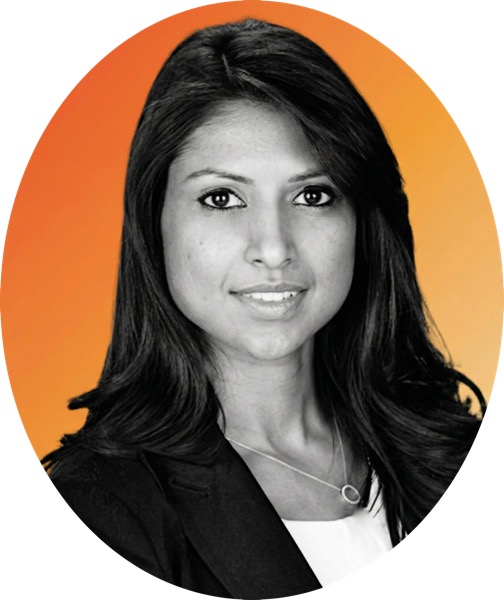
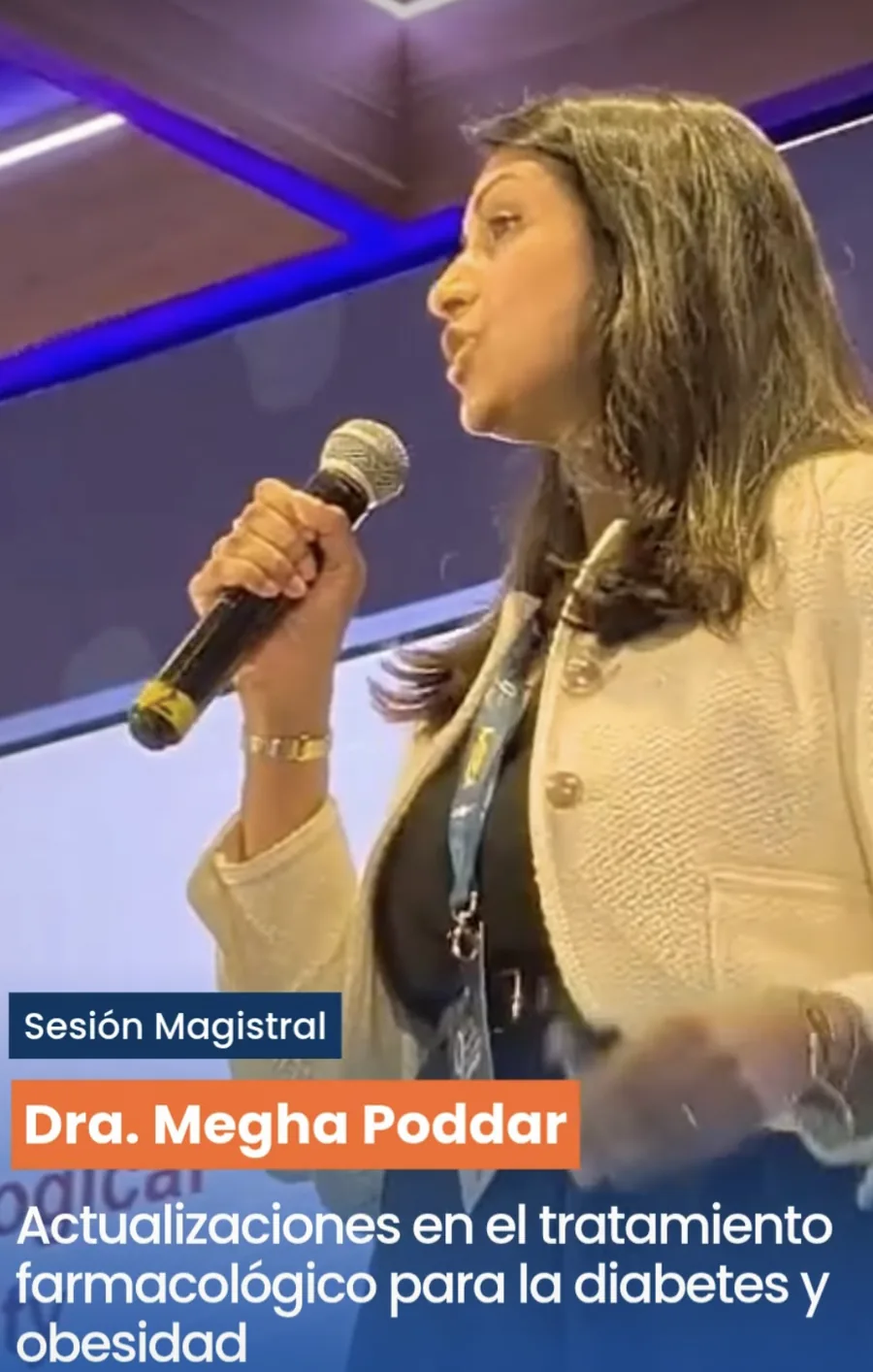
I spent the last week of August in Monterrey, at the 9th Northeast Congress of Endocrinology, hosted by the Northeast Chapter of the Mexican Society of Nutrition and Endocrinology. I gave two talks: one on updates in the pharmacological management of diabetes and obesity, and one on digital health and behaviour change — AI as a new partner in metabolic disease management.
I’d given versions of the first talk in a dozen countries already, so the data and treatment algorithms felt familiar. What surprised me was how familiar the questions, challenges and energy in the room were.
"Obesity doesn’t respect geographical borders. Neither does the conversation around it."
The same crisis, a different room
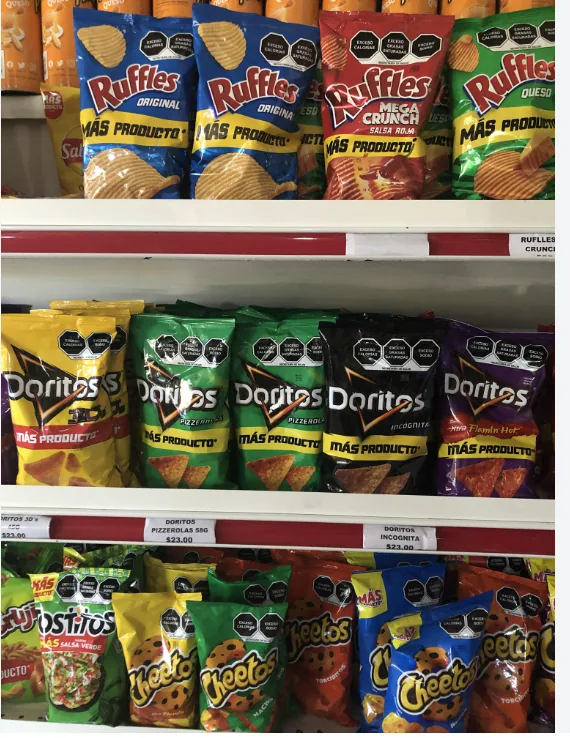
Mexico’s obesity numbers aren’t a tiny footnote… they are the global story. Walk into any Mexican grocery store and you’ll see the irony: black octagonal warning labels on high-sugar, high-calorie processed foods, and still, aisle after aisle of those same products moving off shelves. Roughly 37% of Mexican adults live with obesity, another 38% with overweight, and the trajectory keeps steepening. This is a country that has, for years, sat near the very top of global obesity prevalence rankings, alongside the United States.
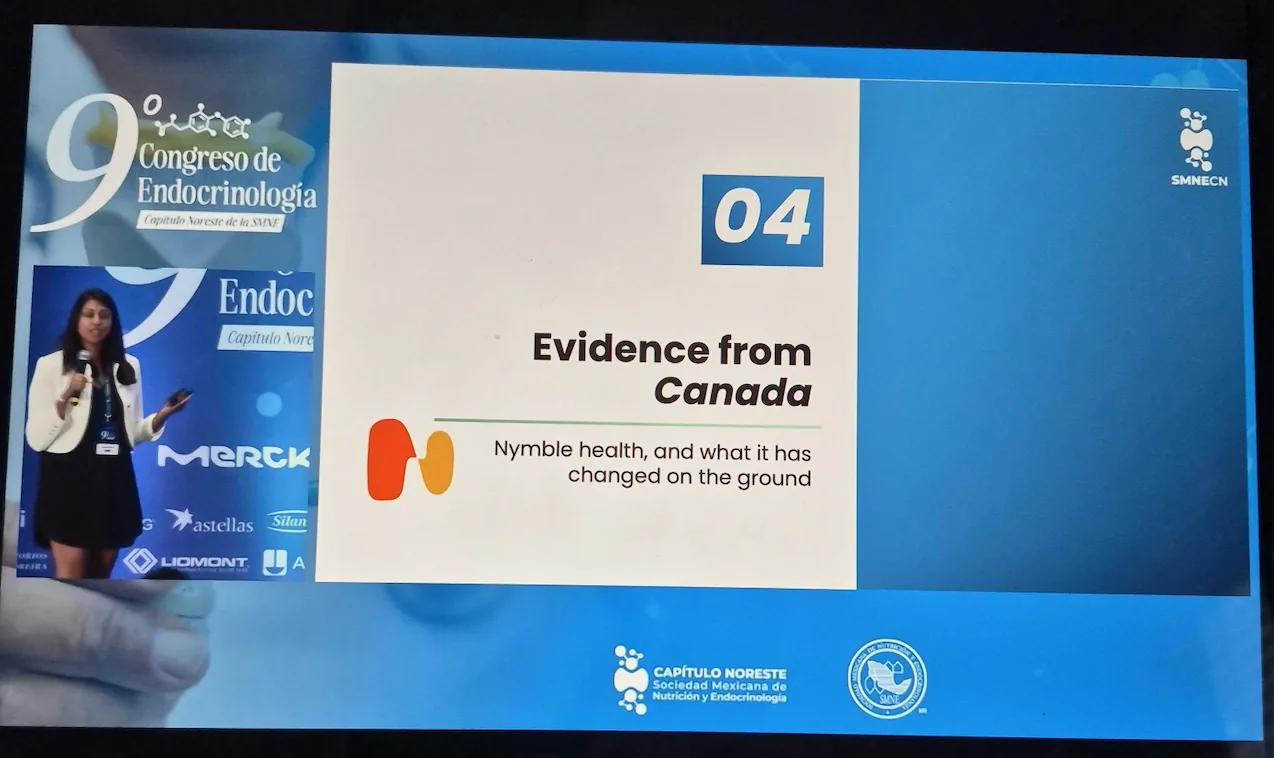
So when I stood in front of endocrinologists, internists, and nutrition professionals in Monterrey (with over 350 in person, another 700 online!), I wasn’t introducing a new problem. I was describing their own patients back to them. It’s the same urgency I see everywhere I give this talk.
The biology of obesity is the same in Canada, Monterrey, or Istanbul. What differs is access… to medications, follow-up care, and sustained behavioural support. The WHO’s first global guideline on GLP-1 therapies called these drugs a genuine turning point, but not a solution on their own: behavioural support is foundational, not a bolt-on, and it has to be sustained.
That framing is exactly why the second talk existed.
What the questions had in common
The questions from the floor in Monterrey were almost identical to the ones I get in Canada or Turkey.
"We’ve stopped asking whether these molecules work. We’re asking how to tell them apart."
The pharmacological landscape is moving fast: retatrutide, a triple agonist across GLP-1, GIP, and glucagon receptors; maridebart cafraglutide, pairing a GLP-1 agonist with a GIP antagonist; CagriSema, GLP-1 plus amylin; and new oral options entering what used to be injectable-only territory. The excitement in the room was real, so was the uncertainty about how to choose between all of it. My key message: efficacy is now table stakes. The differentiating questions are mechanism, which end-organ target matters most for a given patient, tolerability, and route of administration.
The other recurring question was about muscle mass, what happens to lean tissue when weight drops this fast. It’s the right question, and the field still doesn’t have great data at scale. I didn’t have a tidy answer in Monterrey, and I still don’t. But hearing it asked with the same urgency there as everywhere else told me this is the next frontier of one global conversation, not a regional one.
Digital health as missing infrastructure, not the headline
My second lecture opened with a number I first came across in Dr. Nasim Afsar’s Intelligent Health: only about 20% of a patient’s outcomes are determined by what happens inside the clinic. The other 80% is the eleven months a year they’re not in front of us.
Afsar argues healthcare needs to shift from reactive and siloed to personalized, predictive, preventive, and participatory, built around someone’s actual life, not a fifteen-minute visit. That’s the philosophy nymble ended up built around: proactive rather than reactive, reaching people between appointments, and treating everyday signals, a missed dose, a mood shift, a plateau… as real data.
In Mexico, that gap is 13 to 15 million people living with diabetes or prediabetes, roughly 30% of the population, against a strikingly small number of specialists, most without formal training in delivering behavioural support. It’s the same math I see in Canada, just with starker numbers. Only about a quarter of newly diagnosed patients reach a structured diabetes education programme within six months, and closer to one in ten complete it.
From caution to curiosity
None of this works if we get swept up in the hype. Diagnostic accuracy that looks strong in benchmarks can fall by more than half once tested against real patients. There’s still no published trial of LLM-based coaching using HbA1c as a primary endpoint. A digital health product can clear full FDA authorization and still go bankrupt. And there’s an equity dimension too: a third of low-income adults don’t have home broadband, so anything built for genuine reach has to work over SMS, not just an app.
Those are the reasons for caution. They’re also, I’d argue, the design roadmap.
"The goal was never to hand behaviour change to an algorithm, it was to give clinicians and patients better tools for a job too big for either alone."
That’s the principle nymble is built on: proactive rather than reactive, delivered over WhatsApp and SMS so it reaches people without broadband, with clinical guardrails on every message so the caution isn’t lost in translation. In the current organizations using it, we’re seeing medication adherence of 80 to 85%, against a real-world benchmark closer to 40 to 50%, and roughly 50 clinical hours saved per month per 100 patients. Caution didn’t rule the idea out — it just narrowed the design space to something that could survive contact with a real health system.
Two rooms, one question
While I was on stage in Monterrey, Dr. Puneet Seth, our co-founder and CEO, was in Mexico City, meeting with the Canada-Mexico Trade Commission’s Life Sciences program and stakeholders across Mexico’s health and life-sciences ecosystem. Different room, different audience, same question underneath: what would it take for a behavioural-support model built in Canada to actually work in Mexico… not as a copy-paste, but built for the system it’s entering?
One detail from his meetings made the point better than anything I could have argued from a stage: the sheer penetration of WhatsApp in Mexico, not just for personal messaging but as the default channel for how organizations, clinics included, interact with people. It’s the same reason nymble runs over WhatsApp and SMS rather than an app alone — except in Mexico, that design choice isn’t just an equity fix, it’s already the norm. The timing feels right for Canada and Mexico to partner more deeply on this.
One global theme
I came home with a clearer sense of something I already suspected: the obesity conversation in Mexico isn’t a regional variation on a global theme… it is the global theme. The physicians I met in Monterrey are working the same problem I am, just a few thousand kilometres south.
Thank you to Dr. Jorge Rafael Violante Cumpa and the Northeast Chapter of the Mexican Society of Nutrition and Endocrinology for the invitation and two days of genuinely good questions.
If you’re working on this problem in Latin America or beyond, I’d love to hear from you. Contact us at [email protected].
If you are a patient looking for support on your weight management journey, find out more here.